12 Oct 2026
Cross-Platform Data Synchronization and Its Effects on Loan Qualification for Multi-Channel Vendors
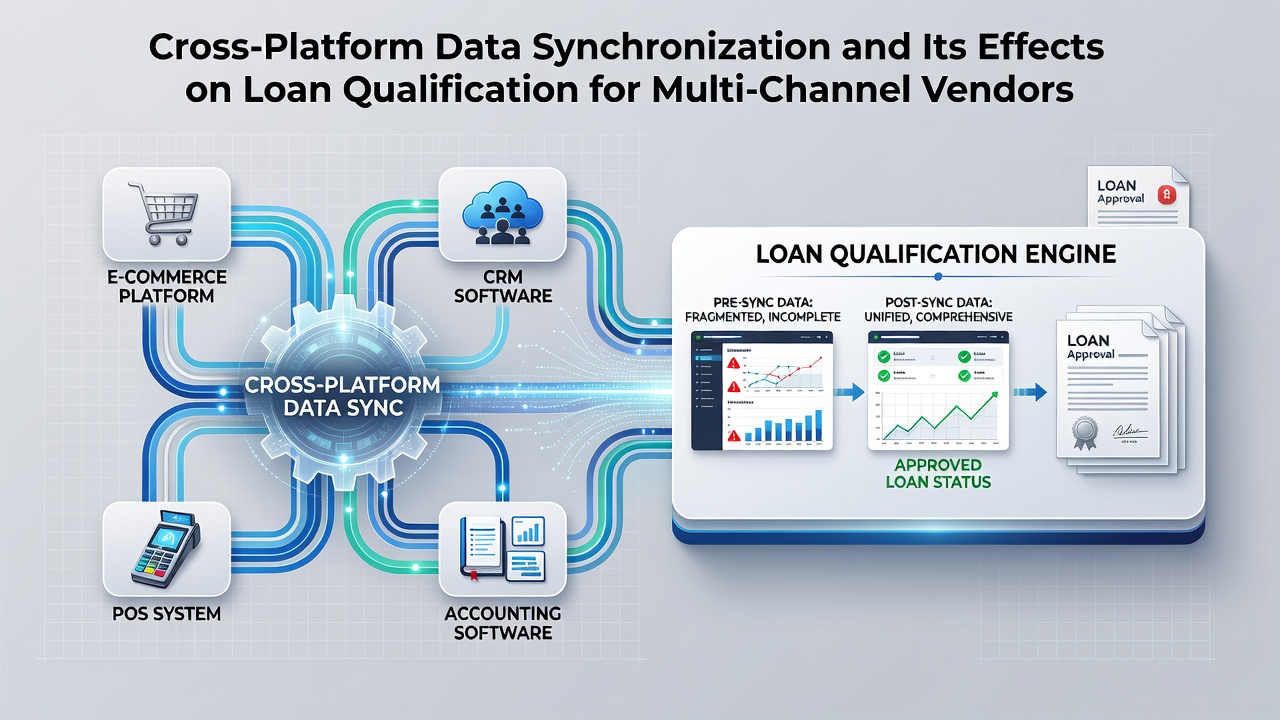
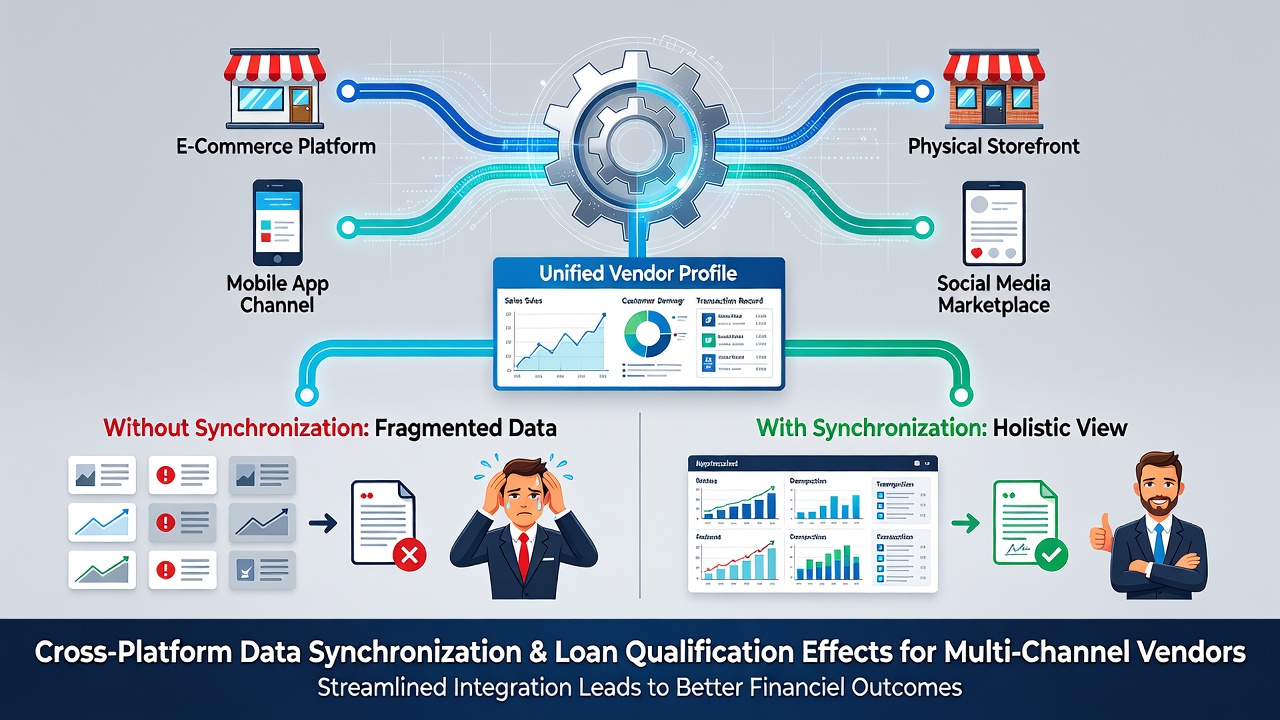
Multi-channel vendors operate across online marketplaces, physical locations, and mobile apps where transaction records often sit in separate systems until synchronization tools pull everything into one view; this unified dataset then feeds directly into lender evaluations for working capital and equipment financing. Data synchronization aggregates sales volumes, inventory turns, and customer payment patterns from each channel into a single feed that lenders review during underwriting. When these feeds update in real time, the resulting profile shows consistent revenue streams rather than fragmented snapshots that might understate total activity.
How Synchronization Works Across Sales Channels
Vendors connect point-of-sale terminals, e-commerce platforms, and third-party marketplace accounts to middleware that standardizes formats and timestamps; once aligned, the combined records travel to accounting software and then to lender portals. Research from the Bank for International Settlements indicates that synchronized datasets reduce discrepancies in reported revenue by up to 23 percent for firms selling through three or more channels. Lenders compare the reconciled figures against bank statements and tax filings, which shortens approval cycles when numbers match across sources.
Effects on Credit Assessment Models
Traditional scoring relied on single-channel statements that captured only a portion of activity, yet synchronized records now provide lenders with month-over-month trends from every outlet. Figures from the Reserve Bank of Australia show that merchants submitting unified data experienced a 17 percent higher approval rate on average in the twelve months ending October 2026 compared with those submitting channel-specific reports. The models weigh metrics such as average ticket size, return rates, and seasonal peaks once they appear consistently rather than in isolation. Observers note that this broader view helps distinguish temporary dips in one channel from overall business health when another channel compensates.
Take one regional apparel seller operating stores in two cities plus an online shop; after implementing synchronization software, the company submitted twelve months of combined transaction logs that revealed stable cash flow despite a dip in physical sales during a regional slowdown. The lender approved a line of credit sized to the total revenue picture instead of the smaller online-only figure previously available. Similar outcomes appear in reports covering vendors in electronics and specialty foods where cross-channel consistency clarified repayment capacity.
Data Quality and Lender Requirements
Accuracy depends on how often platforms refresh and whether reconciliation rules handle currency conversions, refunds, and promotions uniformly. When mismatches occur, underwriters request manual explanations that extend review times. Studies from academic centers in Canada have tracked that vendors maintaining daily syncs encounter 30 percent fewer follow-up queries than those updating weekly. Lenders also examine audit trails that log which user or system altered a record, a step that supports compliance checks required by multiple regulatory frameworks.
Security standards require encrypted transfers between platforms and the central repository, while access controls limit who can view or export the aggregated dataset. In October 2026 several industry groups released updated guidelines that recommend token-based authentication for every data pull, reducing exposure during the handoff from vendor systems to financing platforms. Vendors that adopt these controls report smoother integration with lender APIs and fewer interruptions during peak sales periods.
Challenges for Smaller Multi-Channel Operators
Smaller vendors often juggle legacy software that lacks modern APIs, so they rely on scheduled file exports that introduce delays and occasional formatting errors. These gaps can flatten visible growth curves and lead to conservative loan offers. Data from European regulatory filings shows that firms investing in cloud-based connectors closed that visibility gap within six months and saw measurable improvements in financing terms. Yet the upfront cost of integration remains a barrier for operators whose annual revenue sits below certain thresholds.
Another factor involves data ownership clauses in marketplace agreements that restrict how far vendors can share transaction details with external parties. When those clauses limit export frequency, lenders receive incomplete windows and apply stricter risk adjustments. Industry observers have documented cases where vendors renegotiated terms with marketplaces to gain fuller export rights, after which loan qualification improved.
Conclusion
Cross-platform synchronization supplies lenders with a consolidated view of revenue, returns, and seasonality that single-channel records cannot match, and this shift continues to reshape qualification outcomes for vendors active on multiple sales fronts. As middleware improves and regulatory expectations around data accuracy rise, the practice is becoming a standard requirement rather than an optional upgrade. Vendors that maintain clean, frequent synchronization position themselves for faster reviews and terms that reflect their full operational scope.