9 Nov 2026
Gateway Encryption Layers Shaping Approval Pathways for Temporary Vendor Capital Requests
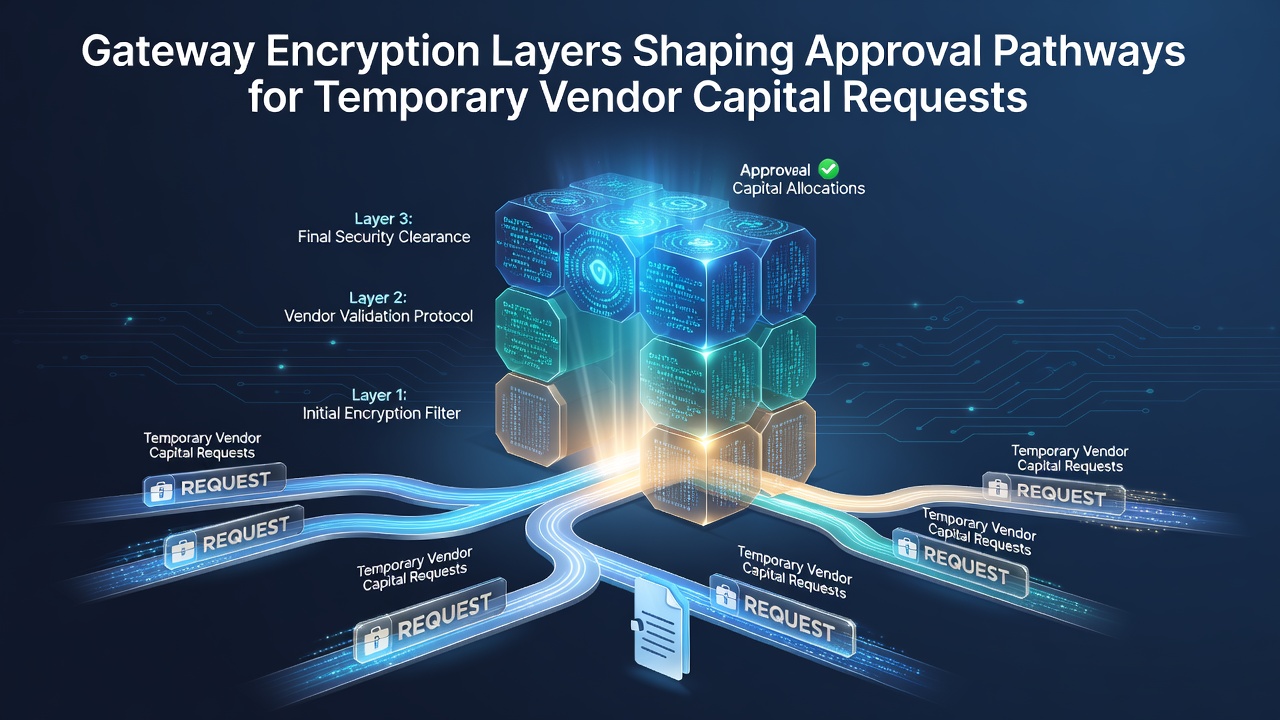
Payment gateways rely on multiple encryption layers to secure transaction data as it moves from point of sale devices through processing networks and into lender evaluation systems, and these protections directly influence how temporary vendor capital requests receive approval. Layers typically include transport layer security protocols alongside application-level encryption that wraps cardholder details and merchant identifiers before they reach underwriting platforms. Observers note that when encryption standards meet recognized benchmarks, the resulting data streams gain higher credibility during risk assessments for short-term financing.
Encryption Standards and Data Reliability
Standards from organizations such as the National Institute of Standards and Technology establish baseline requirements for encryption strength in commercial payment systems, which lenders reference when reviewing vendor histories. Data that arrives with intact cryptographic signatures allows automated scoring models to verify transaction authenticity without additional manual checks. Research from academic institutions indicates that vendors whose gateways maintain AES-256 encryption combined with rotating keys experience faster initial screening stages for capital requests because the records require fewer validation steps. And those records often include timestamps, amounts, and merchant categories that remain unaltered from the moment of capture.
How Layers Influence Temporary Capital Pathways
Temporary vendor capital requests frequently depend on aggregated transaction histories that pass through gateway encryption before reaching financing platforms, and the integrity of those histories determines whether approvals proceed along automated or manual routes. When encryption layers prevent data tampering, scoring algorithms assign higher confidence scores to the submitted activity. This process connects directly to eligibility determinations for advances that vendors seek to cover inventory purchases or seasonal staffing needs. One study revealed that gateways configured with end-to-end encryption reduced discrepancies in reported volumes by measurable margins, thereby shortening the time from application to funding decision for qualifying merchants.
Compliance documentation generated by these encrypted channels also feeds into regulatory reviews that certain lenders incorporate into their own approval criteria. Figures from industry reports show that vendors operating under gateways certified to current encryption specifications encounter fewer requests for supplementary verification materials during application processing.
Developments Observed Through November 2026
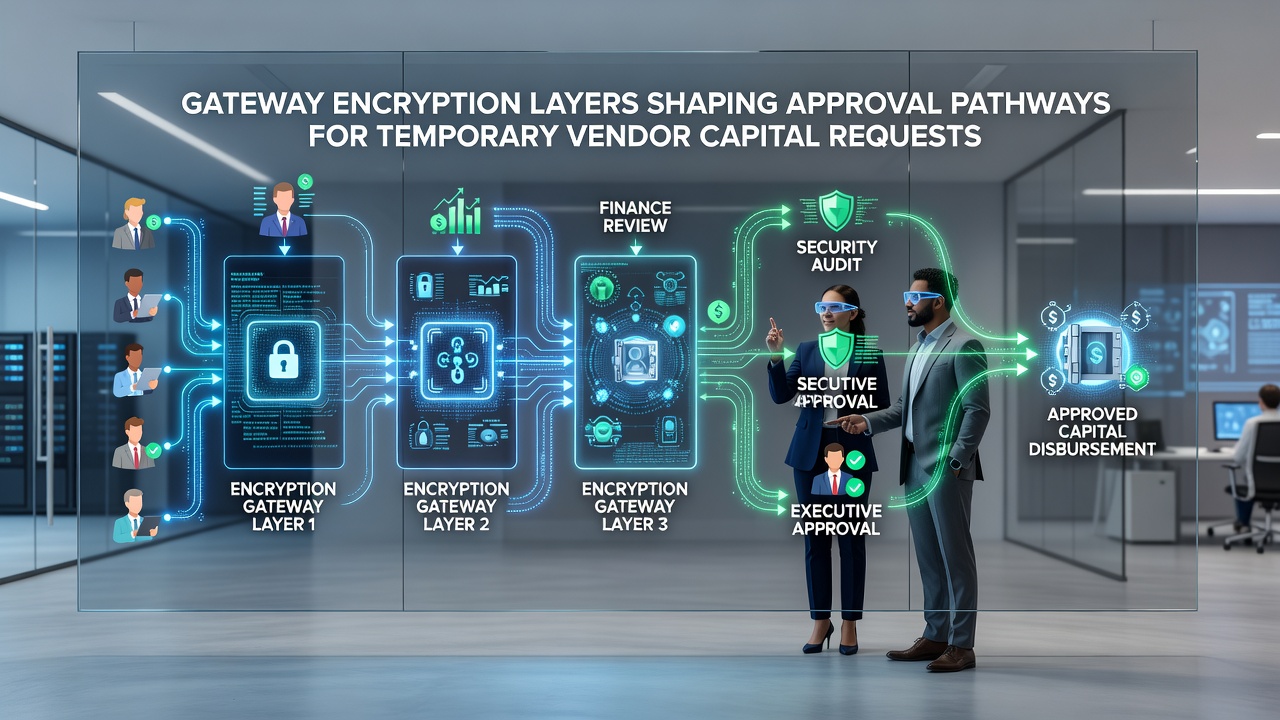
By November 2026, several payment processors had updated their gateway architectures to incorporate quantum-resistant encryption components alongside existing layers, and these changes began appearing in the documentation packages that accompany vendor financing applications. Lenders tracking these updates report that encrypted records produced under the newer protocols integrate more smoothly with real-time analytics tools used for temporary capital decisions. Patterns in the data indicate that vendors adopting the updated gateways see incremental improvements in approval consistency, particularly when their transaction volumes fluctuate due to short-term market conditions. What's interesting is how these technical upgrades align with broader efforts by regulatory bodies across different regions to standardize data protection practices in commercial lending.
Integration With Lender Evaluation Systems
Lender platforms pull encrypted transaction feeds directly from gateway providers through secure application programming interfaces, which preserves the protective layers while allowing extraction of key metrics such as average ticket size and frequency of returns. This integration reduces the need for vendors to submit separate statements because the encrypted source already carries verified details. According to data compiled by research groups focused on financial technology, systems that maintain unbroken encryption chains during transfer achieve higher match rates when cross-referenced against external credit databases. Those higher match rates translate into clearer approval pathways for requests involving modest, time-limited capital amounts.
Conclusion
Gateway encryption layers continue to function as foundational elements that shape the reliability of data used in temporary vendor capital approvals, and ongoing refinements in cryptographic methods support smoother processing across financing networks. Vendors who maintain gateways aligned with established standards position their transaction records for more direct evaluation by automated systems. As encryption capabilities evolve, the pathways connecting secure payment data to capital access remain tied to the strength and consistency of those protective measures.