26 Oct 2026
How Encrypted Sales Logs Shape Funding Criteria for Independent Digital Merchants
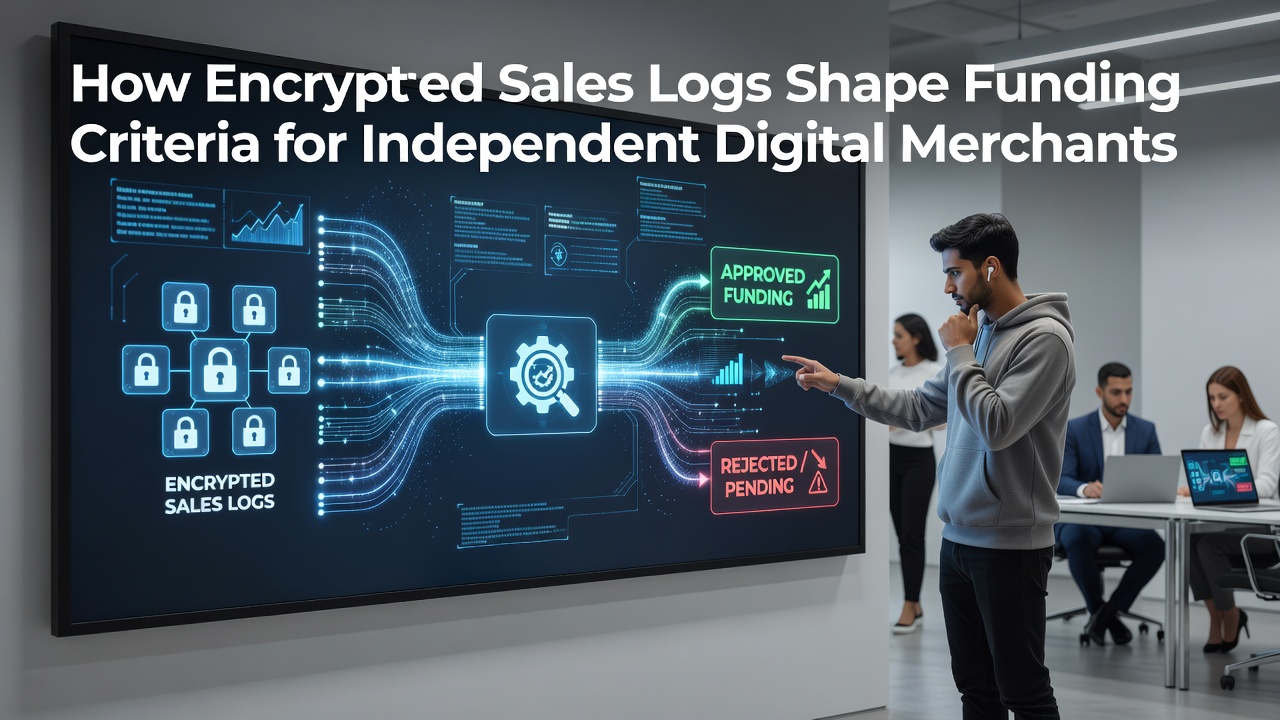
Independent digital merchants rely on encrypted sales logs to meet stricter verification standards when they apply for capital, and these records have become central to how lenders evaluate risk profiles in online retail environments. Data from transaction histories gets secured through encryption protocols that prevent tampering, which allows financial institutions to confirm revenue figures with greater accuracy than traditional methods permitted in earlier years. Observers note that platforms handling e-commerce sales often integrate these logs directly into underwriting systems, creating a direct pipeline from checkout data to loan eligibility decisions.
Encryption Standards and Data Integrity in Merchant Records
Encryption transforms raw sales figures into protected datasets that maintain their original state during transmission and storage, and this process supports the criteria lenders use to assess repayment capacity for independent sellers. Studies from academic institutions show that merchants who maintain consistently encrypted logs experience fewer discrepancies during audits, which in turn influences approval rates for working capital advances. Those who've examined fintech lending models report that hash-based verification embedded in these logs provides timestamps and sequence checks that confirm transaction authenticity without exposing sensitive customer details.
Independent digital merchants operating across multiple marketplaces find that unified encrypted logs streamline the submission of financial evidence to funding providers, while fragmented records from unencrypted sources often trigger additional scrutiny. Research indicates that by October 2026, several major lending platforms had updated their algorithms to prioritize logs with end-to-end encryption, reflecting broader shifts in data security expectations for small-scale e-commerce operations.
Impact on Revenue Verification and Risk Scoring
Lenders calculate funding amounts based on verified monthly or quarterly sales totals extracted from encrypted logs, and this method replaces reliance on bank statements that may lag behind real-time activity. Experts have observed that risk models incorporate encryption strength as a factor when assigning scores, because stronger protocols reduce the likelihood of inflated or fabricated figures reaching the review stage. Digital merchants who adopt encryption tools early in their operations tend to align their reporting with the automated checks that funding services now deploy, which speeds up the entire qualification process.
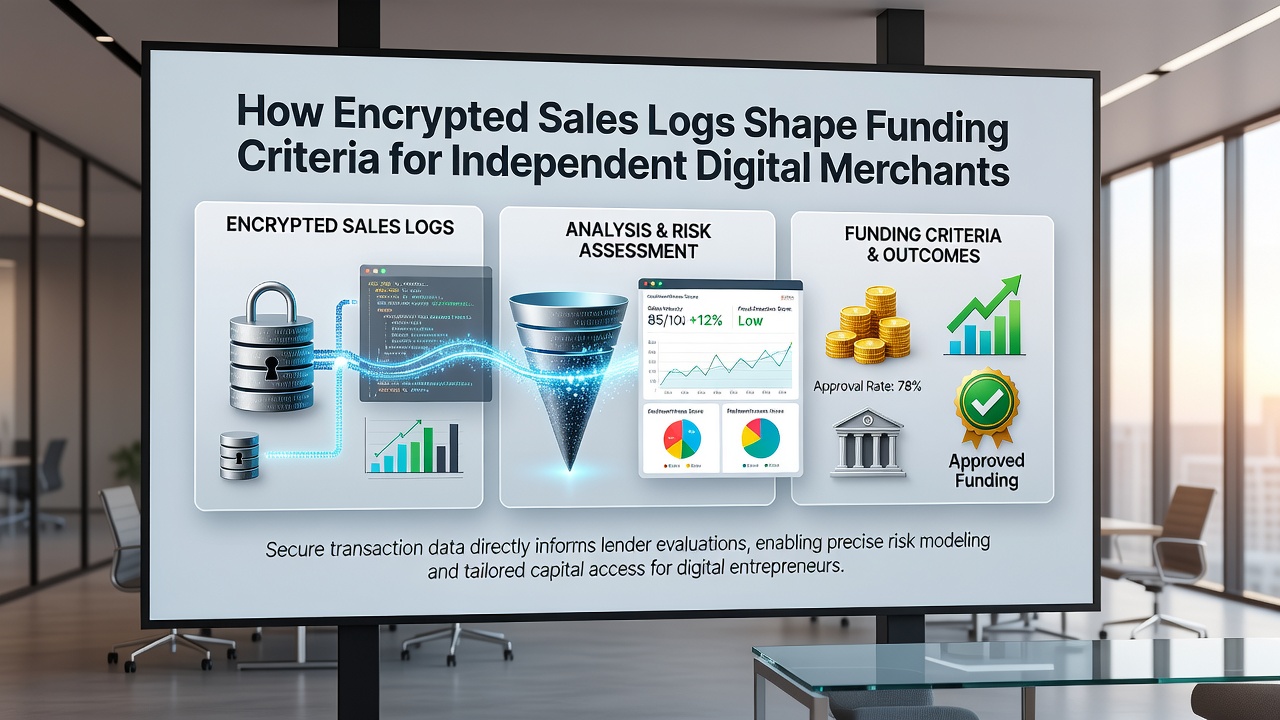
According to a report published by the Federal Reserve, encrypted sales data has contributed to more precise segmentation of applicants in the small business financing sector. The same analysis highlights how independent sellers benefit when their logs include layered encryption that meets standards set by international payment networks. This approach allows platforms to cross-reference sales patterns against external benchmarks without compromising privacy controls.
Regulatory Influences on Log Usage in Funding Decisions
Regulations in various regions require that sales records remain protected against unauthorized access, and compliance with these rules has become a baseline criterion for merchants seeking capital through digital channels. Data from the OECD shows that jurisdictions with clear encryption mandates see higher volumes of approved financing requests from independent digital sellers, because verified logs satisfy both security and transparency demands simultaneously. Merchants who operate in multiple countries must adapt their logging systems to satisfy the strictest applicable standards, which can determine whether they qualify for cross-border funding programs.
Those who've tracked lending trends note that encryption also supports audit trails required under consumer protection frameworks, allowing providers to trace every data access event back to its source. This level of traceability strengthens the case for extending credit to merchants whose sales volumes fluctuate with seasonal demand, because the underlying figures remain reliable throughout the review cycle.
Practical Integration for Digital Sellers
Software providers now offer plug-in solutions that automatically encrypt sales logs at the point of capture, and independent merchants integrate these tools to align with evolving lender expectations. Case examples reveal that sellers using such systems submit complete application packages more quickly, which reduces the time between request and disbursement. Observers note that the presence of encryption certificates attached to log files serves as a quick indicator of data quality during initial screening stages.
Funding criteria continue to evolve as encryption technologies advance, and merchants who monitor updates to these standards position themselves to meet new verification benchmarks as they emerge. Research from university-led projects demonstrates that encrypted logs correlate with lower default rates among funded digital merchants, because the records supply granular detail on cash flow patterns that traditional summaries often obscure.
Conclusion
Encrypted sales logs have established themselves as a foundational element in the funding criteria applied to independent digital merchants, providing verifiable evidence that supports both approval and sizing decisions. The combination of data integrity, regulatory alignment, and integration with automated underwriting systems creates pathways for capital access that depend on consistent encryption practices. As platforms refine their models through 2026 and beyond, merchants who maintain robust encrypted records continue to meet the standards that determine eligibility across diverse lending environments.