28 Sep 2026
Subscription Analytics Driving Tailored Capital Offers for Regional Digital Sellers
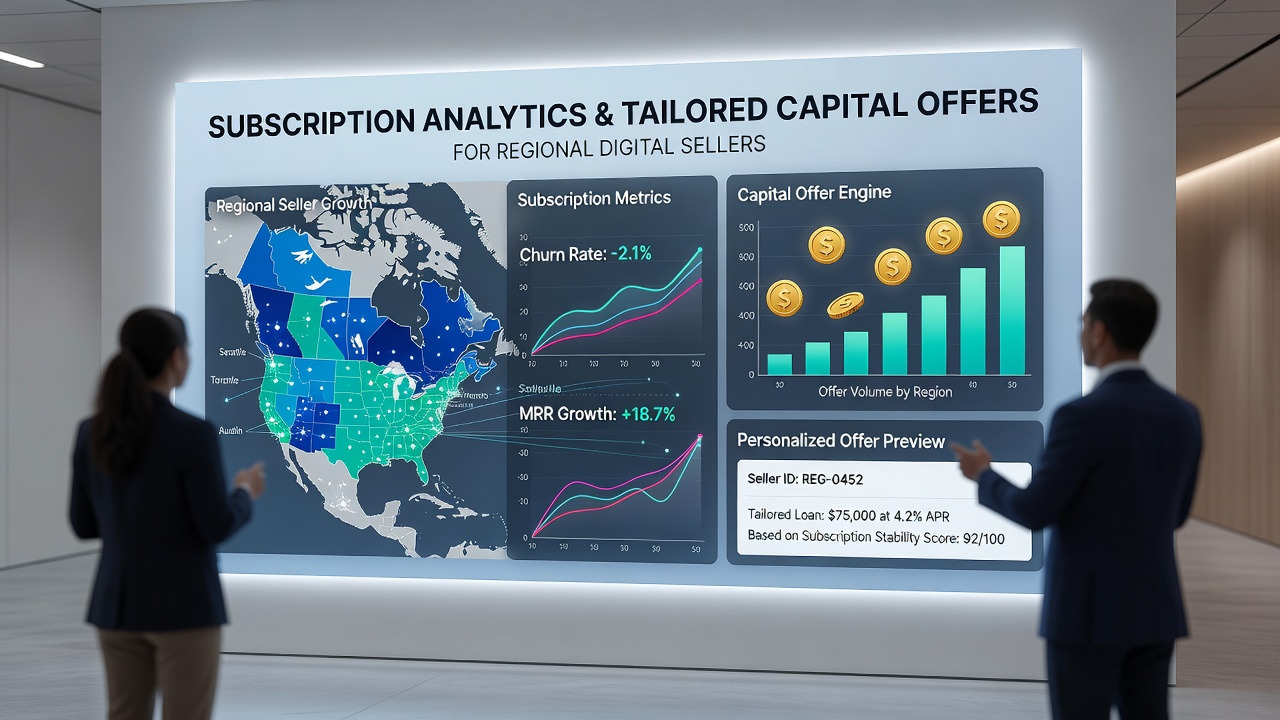
Subscription analytics have emerged as a key input for financial providers assessing capital offers to regional digital sellers operating recurring revenue models across e-commerce platforms. Data streams from monthly billing cycles, customer retention rates, and lifetime value calculations allow lenders to construct offers that align with specific cash flow patterns rather than relying solely on one-time transaction volumes. Observers note that digital sellers in areas such as provincial Canadian markets and Australian regional hubs generate consistent subscription data that reveals stability metrics unavailable from sporadic sales records.
Core Metrics in Subscription Data Streams
Analysts track several indicators including monthly recurring revenue, churn percentages, and average revenue per user to build profiles for capital eligibility decisions. These figures combine with regional economic indicators to produce tailored repayment schedules that match seasonal subscription fluctuations common among sellers focused on niche digital products. Research indicates that providers examining subscription histories can adjust offer sizes based on predictable renewal patterns observed over multiple quarters.
Regional variations appear when data incorporates local market conditions such as currency stability in European digital marketplaces or consumer adoption rates in Southeast Asian subscription services. Those who process this information often segment offers according to geographic clusters where subscription growth correlates with broader digital economy expansion tracked by government statistical agencies.
Integration with Capital Assessment Frameworks
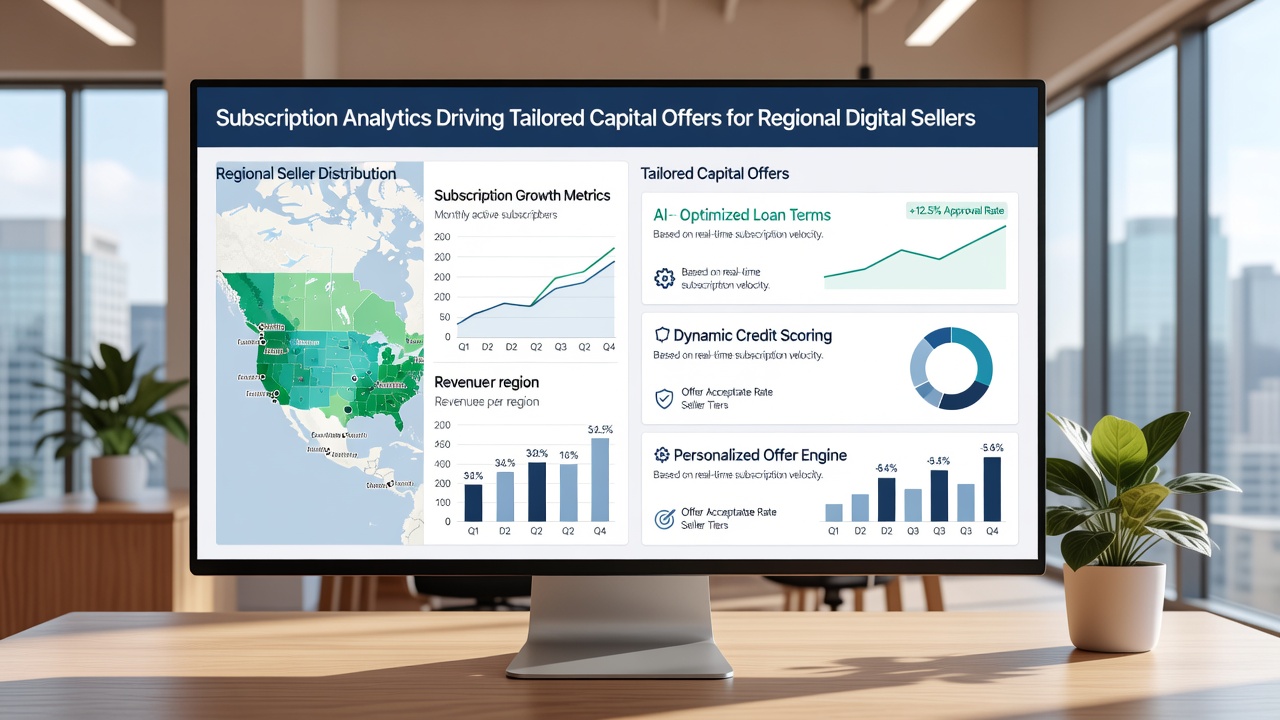
Financial institutions integrate subscription analytics into automated underwriting systems that evaluate digital seller applications for working capital facilities. Patterns in upgrade rates and add-on subscription purchases provide additional signals about business expansion potential that influence term lengths and interest structures. Data compiled through September 2026 shows increased adoption of these methods among providers serving sellers in mid-sized regional economies where traditional credit histories remain limited.
One case documented by industry researchers involved digital sellers in Canadian prairie provinces whose subscription dashboards revealed steady 18-month retention curves that supported larger advance amounts compared with sellers lacking equivalent recurring data. Similar applications appear in Australian state-level e-commerce clusters where analytics help differentiate offers for sellers handling software-as-a-service products versus physical goods subscriptions.
Regional Implementation Patterns
European Commission reports on digital single market activity highlight how subscription data from sellers in smaller member states feeds into financing platforms that adjust capital terms according to cross-border retention trends. Providers operating in these environments combine analytics outputs with local regulatory compliance records to create differentiated products that address varying tax and reporting requirements across jurisdictions.
Academic studies from institutions such as the University of Melbourne have examined how subscription billing consistency influences approval rates for digital sellers in regional Australia. The findings reveal correlations between low churn periods and accelerated funding timelines that providers apply when constructing customized drawdown schedules. Sellers maintaining diversified subscription tiers often receive offers reflecting higher aggregate revenue stability across multiple customer segments.
Technical Infrastructure Supporting Analytics Use
Cloud-based billing platforms supply structured data exports that integrate directly with lender risk models used for regional digital seller portfolios. Application programming interfaces enable real-time updates of key performance indicators that trigger offer revisions when subscription metrics shift beyond established thresholds. This infrastructure supports faster decision cycles for sellers operating in time-sensitive regional markets where seasonal promotions drive temporary revenue spikes.
Providers in North American and Oceanic regions increasingly require subscription analytics as standard documentation alongside traditional financial statements. This requirement streamlines evaluation processes while giving digital sellers greater visibility into how their recurring revenue profiles affect capital access terms.
Conclusion
Subscription analytics continue to shape capital offer customization for regional digital sellers by supplying granular revenue predictability that traditional metrics overlook. Providers across multiple geographies apply these data streams to align financing structures with documented retention and expansion patterns observed in recurring billing environments. As digital sellers expand subscription offerings, the role of analytics in capital access frameworks expands accordingly through established integration channels and regional data partnerships.